
Payment tokens substitute sensitive account data with secure references that merchants process instead of raw details. They enable seamless, authorized transactions across apps and devices while reducing data exposure. Token governance shapes privacy controls, lifecycle management, and cross-border compliance. Practical deployments demand interoperability and scalable risk controls to avoid vendor lock-in. The strategic question becomes how to balance token scope, governance, and policy enforcement as ecosystems evolve. The discussion points toward a framework that aligns security with business needs.
What Are Payment Tokens?
Payment tokens are digital representations used to authorize and secure transactions without exposing primary account details. They function as surrogate identifiers, enabling merchant systems to process payments without handling sensitive data.
This approach raises tokenization misconceptions about universal anonymity and highlights implementation challenges, including interoperability, system updates, and regulatory alignment.
Clarity and governance remain essential for scalable, freedom-focused adoption.
How Tokenization Improves Security and Privacy
Tokenization enhances security and privacy by substituting sensitive account data with non-sensitive tokens that render the original data unusable if intercepted. This mechanism limits exposure through token management, enabling controlled data access and lifecycle governance.
Privacy safeguards are reinforced by minimizing data spread and enabling precise audit trails, while maintaining operational efficiency and strategic resilience against breaches and fraud.
Real-World Uses: Tokens in Apps and Devices
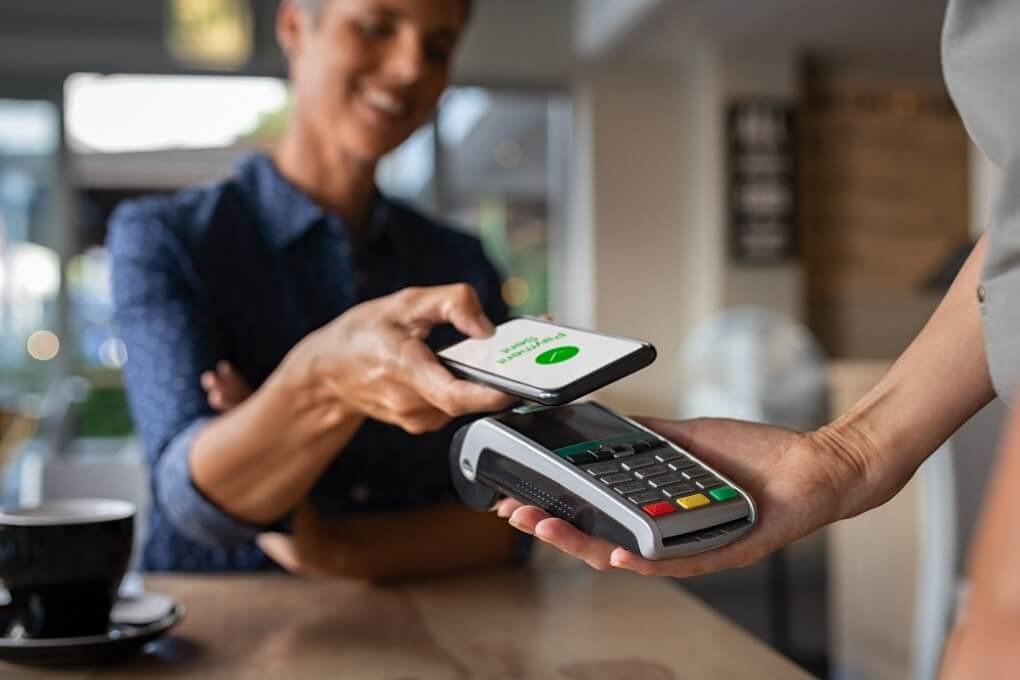
Tokens embedded in apps and devices enable seamless, secure interactions by substituting sensitive data with reusable references that minimize exposure during everyday transactions.
In practice, token governance shapes governance frameworks, auditing token lifecycles, and ensuring consistent policy enforcement.
Cross border compliance considerations emerge for multinational ecosystems, aligning regional regulations with interoperable standards while preserving user autonomy and operational efficiency across diverse markets.
Choosing a Tokenization Strategy for Your Business
With governance considerations established in how tokens are managed across apps and devices, organizations can now determine a practical approach to tokenization that aligns with their risk profile and operational needs.
A disciplined strategy weighs token governance, interoperability, and data sovereignty, avoids vendor lock in, and enables flexible integration.
Decisions emphasize security, scalability, and long-term resilience over short-term convenience.
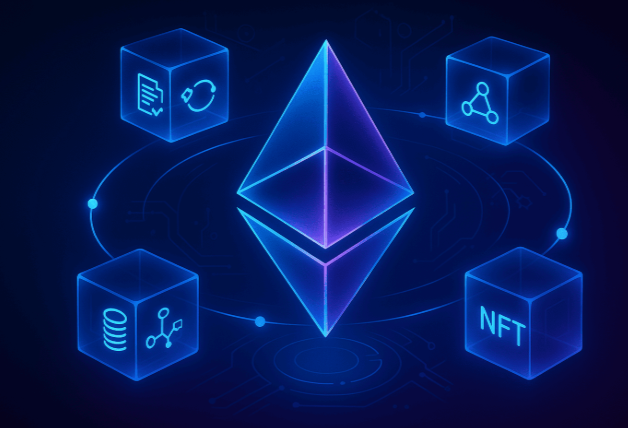
See also: How Ethereum Enables Digital Asset Innovation
Conclusion
Tokens revolutionize transactions with a precision never before seen, turning data frailties into fortress-like security. In apps and devices, tokenization scales with laser focus, shrinking risk, slashing fraud, and expanding interoperability across ecosystems. Strategic governance turns minimal data exposure into maximal privacy, while lifecycle controls ensure tokens evolve without lock-in. The result is a streamlined, compliant, future-proof payments fabric that dances around vulnerabilities with the poise of a chess grandmaster—subtle, relentless, and unmistakably transformative.